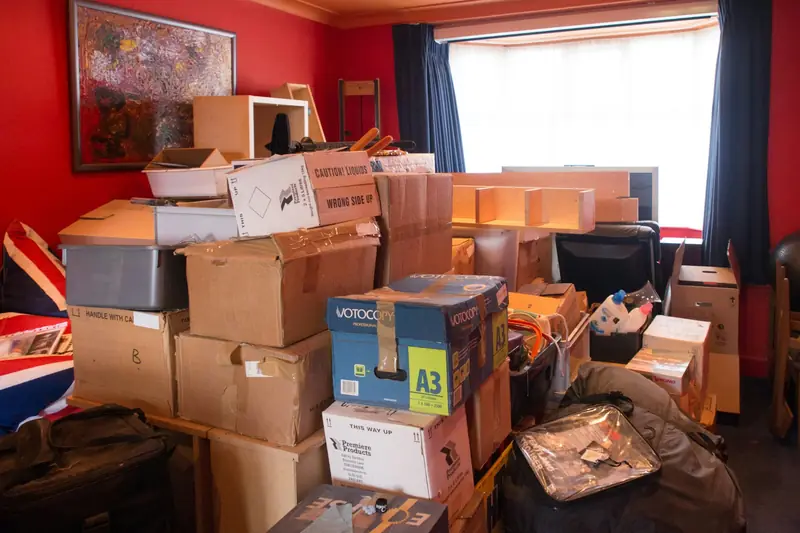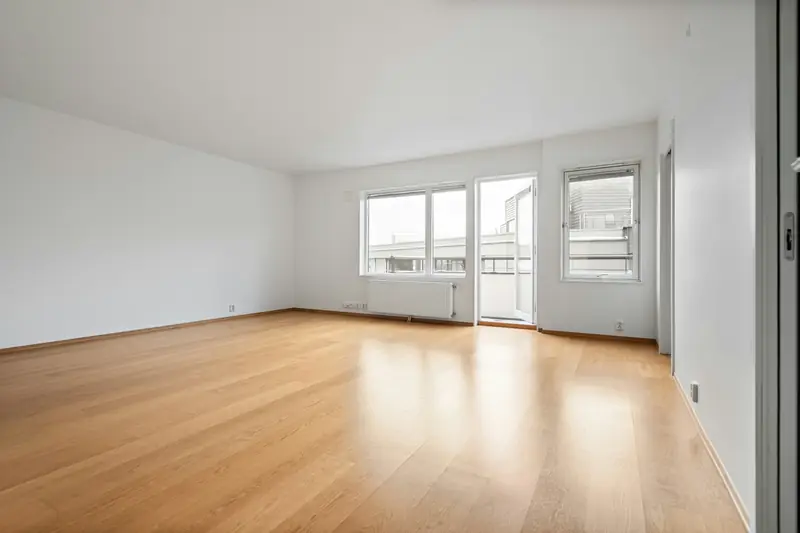
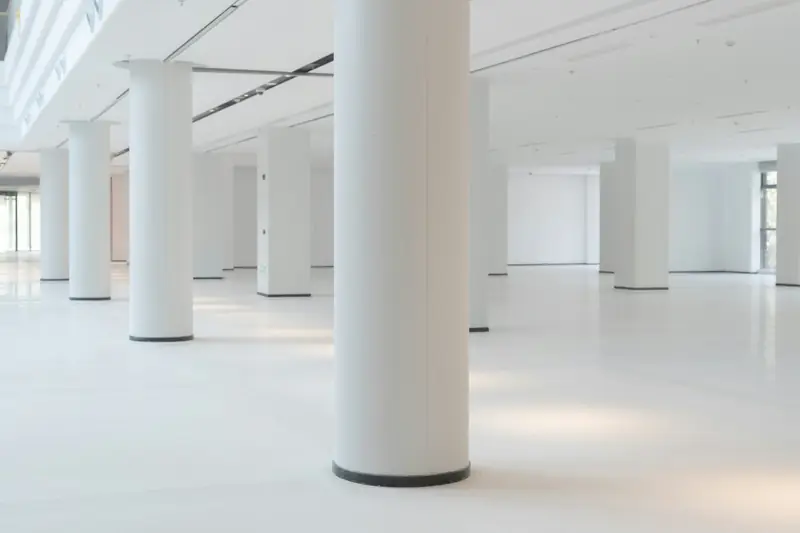
Start with an inventory and decide what to redeploy, sell, donate, recycle or dispose of. Check the lease for reinstatement duties and get building management's rules for after-hours work, loading and lifts. Treat data first: back up, then securely erase or physically destroy drives, and shred paper records. Send computers, monitors and printers to licensed e-waste recyclers, and remember that fit-out and reinstatement debris is construction waste, charged at government facilities per tonne.
Before you start
- Floor plan and an asset list (furniture, IT, AV, pantry)
- The lease and any reinstatement or make-good schedule
- Building management's fit-out and moving rules
- A data destruction plan and records log
- Labels and a colour code: keep, sell, donate, recycle, dispose
Step by step
Step 1
Eight weeks out: build the inventory
Walk the floor with the plan and list every desk, chair, cabinet, screen and device. Tag each one: redeploy, sell, donate, recycle or dispose. This list becomes the brief for quotes, so be specific about counts and sizes.

Step 2
Eight weeks out: read the lease
Check the reinstatement or make-good clauses: do partitions, carpet, raised floor or ceiling need to come out? Agree the scope with the landlord in writing. Reinstatement works generate construction waste, which is handled differently from furniture.
Step 3
Six weeks out: get the building's rules
Ask building management for their requirements: working hours for moving and works, loading bay and goods lift booking, floor and lift protection, and any documents they need from contractors, such as insurance or method statements.
Step 4
Six weeks out: plan data destruction
List every device and medium that holds data: PCs, laptops, servers, NAS, phones, printers with drives, USB sticks, backup tapes and paper files. Under the PDPO, personal data shouldn't be kept longer than necessary, and the PCPD's guidance on erasure recommends keeping a record of what was destroyed.
Step 5
Four weeks out: sell and donate
Sell good furniture and IT through dealers or staff sales. Some charities take office pieces: Crossroads, for example, lists office chairs, desks, pedestals, cabinets and whiteboards as generally needed, but not office partitions.

Step 6
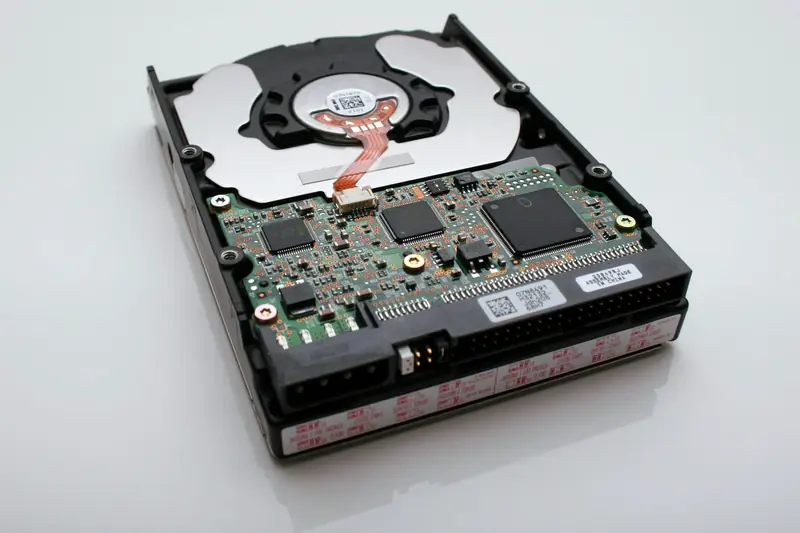
Two weeks out: erase or destroy drives
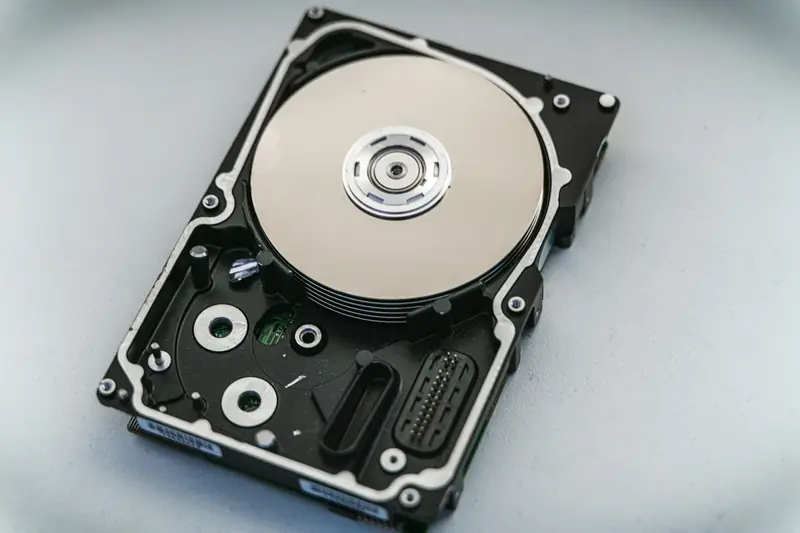
Deleting and formatting aren't enough. InfoSec guidance: securely overwrite; degauss faulty magnetic drives; physically destroy media that can't be overwritten, and destroy highly sensitive media even after sanitising. Shred paper records you no longer need to keep.
Step 7
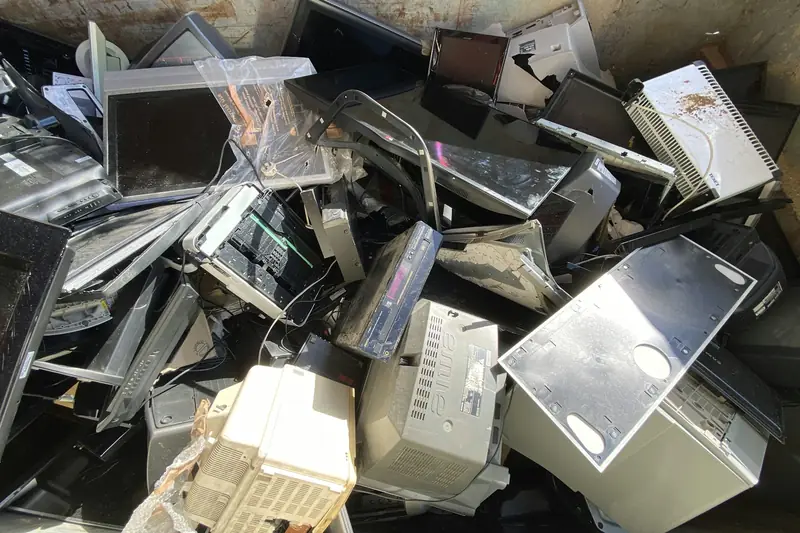
Clearance week: e-waste to licensed recyclers
Computers, monitors, printers and scanners are regulated electrical equipment. Use e-waste recyclers licensed by EPD; the WEEE·HK site lists licensees. Keep the paperwork with your data destruction log.
Step 8
Clearance nights: execute and hand back
Work after hours if the building requires it, protect lifts and floors, and clear in the order your reinstatement contractor needs. Finish with a clean floor, a photo record and a handover walk-through with the landlord.
Fixed quote on WhatsApp Send 2–3 photos, your area and lift or stairs. Fixed, all-in quote, usually in 15 minutes.
WhatsApp a photo for a quoteWhere each part of an office goes
| Item | Route | Notes |
|---|---|---|
| Desks, chairs, cabinets, whiteboards | Redeploy, sell, donate, or removal | Some charities accept these; partitions are commonly refused |
| Computers, monitors, printers, scanners | Licensed e-waste recycler, after data destruction | Regulated electrical equipment |
| Hard drives, phones, backup media | Secure erase, degauss or physically destroy | Keep a destruction record |
| Paper records | Shred or a document-destruction service | Check retention periods first |
| Partitions, carpet, ceiling, raised floor | Construction waste via a contractor with an EPD billing account | Charged per tonne at government facilities |
| Pantry fridges, microwaves, water dispensers | Recycle or removal | Commercial fridges are not regulated equipment |
Construction waste from reinstatement
Strip-out and reinstatement debris is construction waste. To use government facilities, the producer or its contractor needs an EPD billing account, and the facility charges per tonne. These are EPD's published charges:
| Facility | Waste accepted | Charge per tonne |
|---|---|---|
| Public fill reception facilities | Entirely inert construction waste (rubble, concrete, brick, tile and so on) | HK$71 |
| Sorting facilities | More than 50% inert by weight | HK$175 |
| Landfills | Not more than 50% inert by weight | HK$200 |
| Outlying Islands Transfer Facilities | Any percentage of inert waste | HK$200 |
Except at the Outlying Islands Transfer Facilities, the minimum charge load is one tonne. Mixed loads are treated as entirely construction waste. Carpet tiles, gypsum and ceiling boards are not inert, so mixed reinstatement loads usually go to landfill rates.
Building and lease details that matter in Hong Kong
- After-hours windows. Many office buildings restrict noisy work and large moves to evenings and weekends. Your plan should fit their window, not the other way round.
- Goods lift and loading bay. Book them early; on handover weeks, other tenants are competing for the same slots.
- Paperwork. Management may ask contractors for insurance documents, a method statement and a list of workers. Ask for their checklist at the start.
- Make-good scope. Get the landlord's reinstatement requirements in writing before demolition starts; it avoids doing work twice.
What affects the cost
Office clearances are quoted per job. The main factors are:
- Volume: workstations, storage, IT and pantry items
- Access: goods lift size, loading bay, after-hours windows and distances on the floor
- Dismantling: workstations, partitions and fixed joinery
- Reinstatement scope: what has to be stripped out, and the resulting construction waste, which carries the EPD per-tonne charges above
- Timing: weekend or overnight work and fixed handover dates
We handle office clearances after hours, issue BR-addressed invoices and offer free site surveys for large jobs. See office clearance.
Questions about this
How far ahead should we plan an office clearance?
Six to eight weeks for a full floor. That leaves time to agree the reinstatement scope, book the goods lift and loading bay, sell or donate furniture and destroy data properly.
Is formatting our computers enough before disposal?
No. The government's InfoSec guidance says deleting and formatting may leave recoverable data. Use secure overwriting, degauss faulty magnetic drives, or physically destroy media that can't be overwritten.
What do we do with old office computers and printers?
After data destruction, send them to an EPD-licensed e-waste recycler; the WEEE·HK site lists licensees. Some charities also accept recent computers and printers.
How is reinstatement waste charged?
As construction waste. EPD charges HK$71 per tonne at public fill reception facilities (entirely inert), HK$175 at sorting facilities (more than 50% inert) and HK$200 at landfills (not more than 50% inert), with a one-tonne minimum load at most facilities.
Can you work after office hours?
Yes. Most of our office clearances run after 18:00 or at weekends to fit building rules. We handle lift protection and coordinate with management.
Do you provide invoices for companies?
Yes. We issue BR-addressed tax invoices, and stamped receipts are available.
Sources
Official rules and figures in this guide come from these public sources. We check them when we update the guide; if anything has changed, the source wins.
- InfoSec (HKSAR Government): Disposal of computing devices
- PCPD: Guidance on Personal Data Erasure and Anonymisation (PDF)
- EPD WEEE·HK: Frequently asked questions for consumers
- Crossroads Foundation: How to donate goods (accepted and not accepted items)
- EPD: Construction Waste Disposal Charging Scheme (charges per tonne)