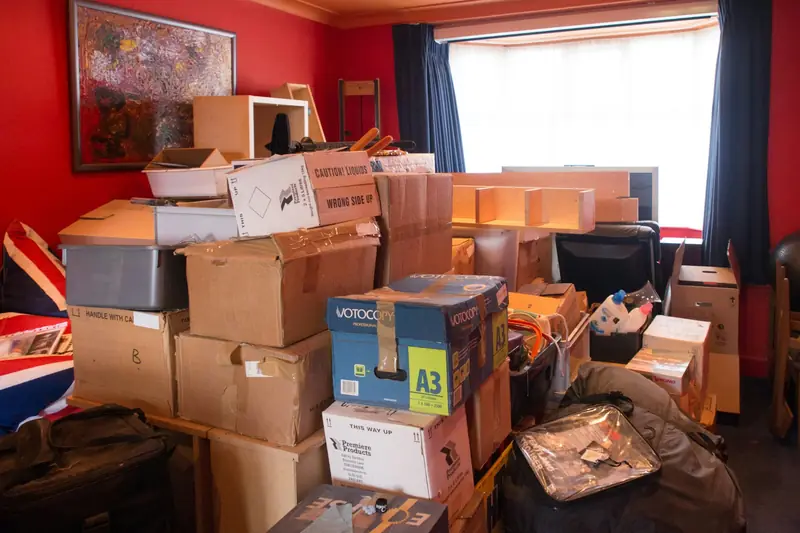
Pick a deadline and work one zone at a time, easiest first. Sort everything into four piles: keep, sell or give, recycle, and dispose. Sell and donate early, because buyers and charities take time. Take recyclables to a GREEN@COMMUNITY point, book the free government collection for regulated appliances (hotline 2676 8888 or WhatsApp 6081 5096, about a week's wait), and take large furniture to a refuse collection point during opening hours or book a removal. Never leave items in the stairwell, corridor or on the street.
Before you start
- Heavy-duty bin bags and a few strong boxes
- Masking tape and a marker for labels
- Four labelled areas or bags: Keep, Sell/Give, Recycle, Dispose
- Gloves; a torch for the backs of cupboards
- Your phone, for photos of items to sell or donate
- Sealed boxes and a dehumidifier or moisture absorbers for what you keep
Step by step
Step 1
Set the deadline and work backwards
Pick the day the flat must be clear, then count back. Selling needs one to two weeks, donation offers need review, and the free appliance collection is booked about a week ahead. Put the final removal or refuse run on the calendar first, so the clear-out has an end.
Step 2
Start with the easiest zone
Begin where decisions are quick: the entrance, bathroom cabinet, or a single storage box. A fast first win keeps you going. Leave photos, letters and keepsakes for last; they slow everything down.
Step 3
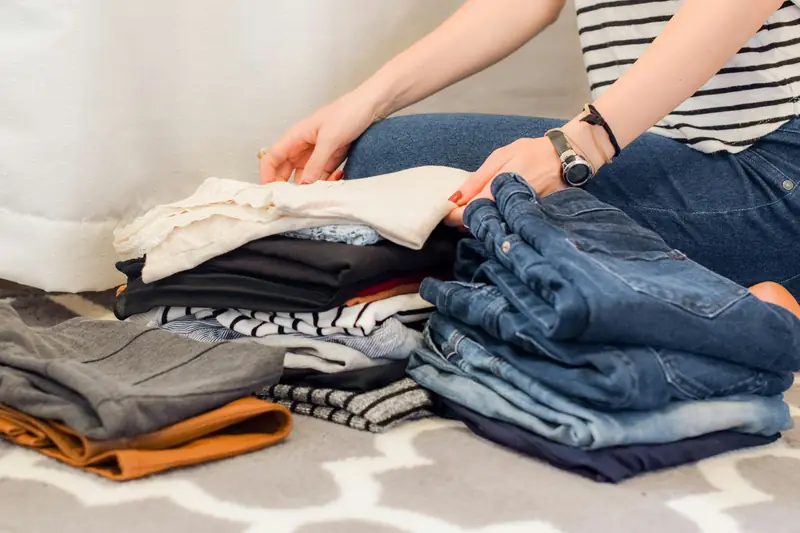
Sort into four piles, every item once
Pick up each item and decide: Keep, Sell/Give, Recycle or Dispose. Don't move things to another room to decide later. If you haven't used it in a year and it isn't sentimental or seasonal, it goes.
Step 4
Deal with paperwork and data
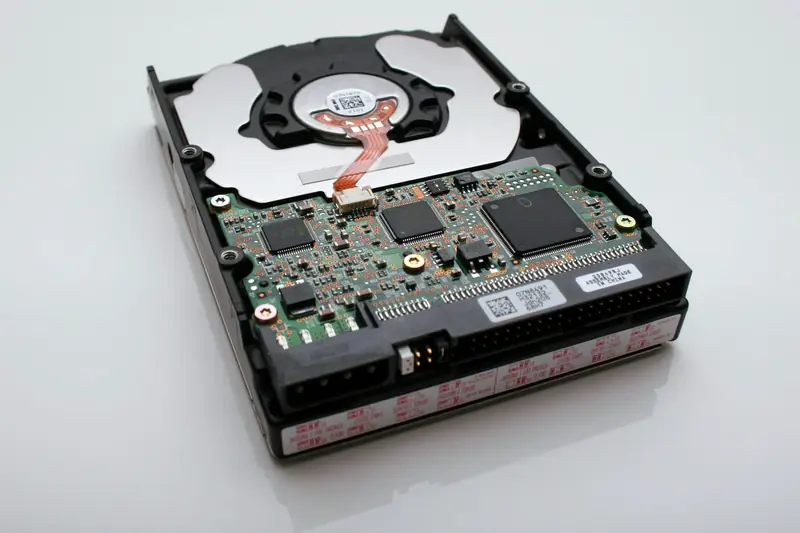
Shred anything with your HKID number, bank details or address. For old phones, laptops and hard drives, deleting files or formatting isn't enough: the government's InfoSec guidance recommends secure overwriting software, or physical destruction for media that can't be overwritten.
Step 5
Sell or give away the good stuff
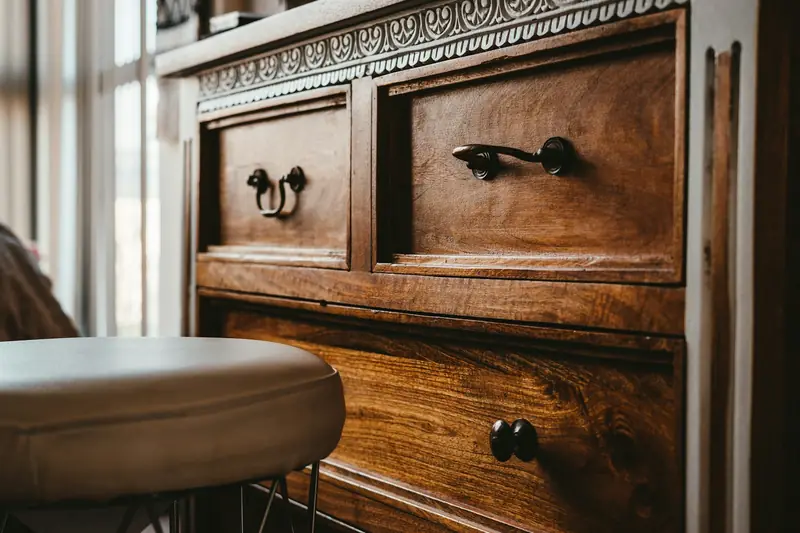
Photograph sale items in daylight and list them on a second-hand platform or community group with dimensions and your nearest MTR station. For charities, check what they actually accept. Crossroads Foundation, for example, accepts many household items through its GoodCity app, but you deliver to Tuen Mun yourself or book a van, and it does not take used clothing, glass-top tables or queen and king beds.
Step 6
Recycle what you can
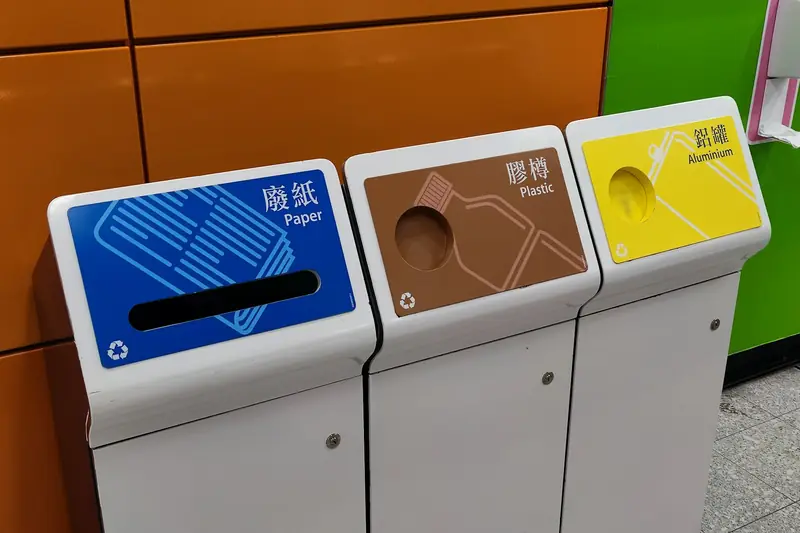
GREEN@COMMUNITY stations, stores and spots accept nine types of recyclables: paper, metals, plastics, glass containers, rechargeable batteries, fluorescent lamps and tubes, regulated electrical equipment, small electrical appliances and beverage cartons. Rinse containers, tape battery terminals and put used lamps in a box.
Step 7
Book the appliances
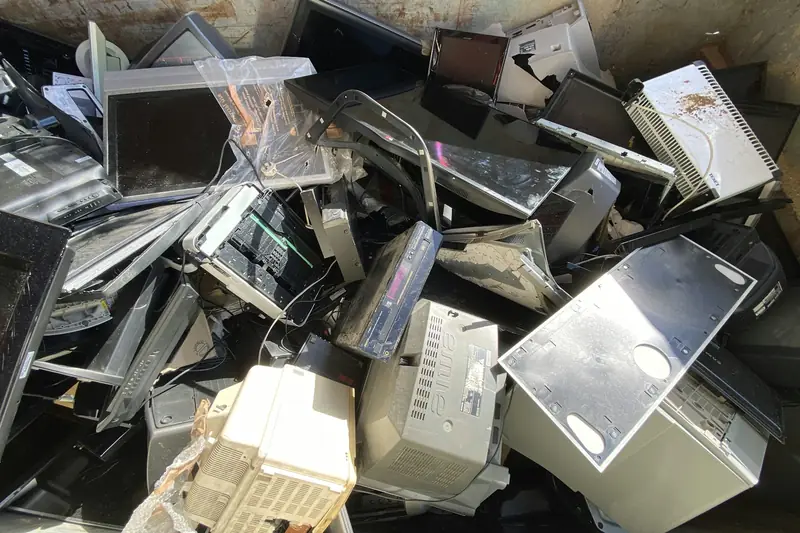
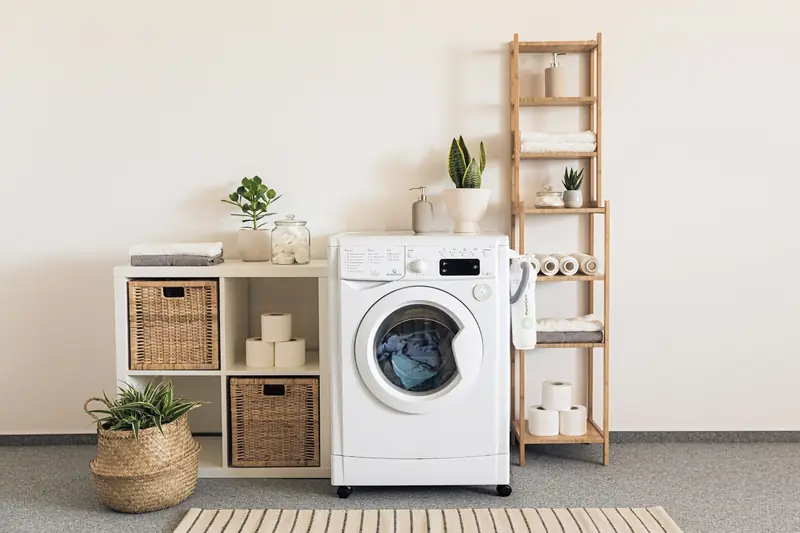
Fridges, washing machines, air conditioners, TVs, computers, monitors, printers, scanners, tumble dryers and dehumidifiers are regulated electrical equipment. If you're not buying a new one, book the free government collection on 2676 8888 or WhatsApp 6081 5096. If you are buying new, the seller must arrange free removal of your old one of the same type.
Step 8
Clear the rest the right way
Large items you can't sell or donate can go to an FEHD refuse collection point during opening hours, or you can book a removal. Don't leave anything in the corridor, stairwell or at the roadside while you wait: illegally disposing of a large amount of waste carries a HK$6,000 fixed penalty.
Step 9
Store what stays, and keep it that way
Pack keepers in sealed, labelled boxes off the floor. Hong Kong's air is humid for much of the year, so add moisture absorbers or run a dehumidifier in closed cupboards. Then keep a one-in, one-out rule for clothes, shoes and kitchenware.
Fixed quote on WhatsApp Send 2–3 photos, your area and lift or stairs. Fixed, all-in quote, usually in 15 minutes.
WhatsApp a photo for a quoteWhere each kind of item goes in Hong Kong
Most of what comes out of a declutter has a better home than the bin. This is the quick map we use, with the official channel for each.
| Item | Best channel | Good to know |
|---|---|---|
| Furniture in good condition | Sell, give away, or donate (for example Crossroads via GoodCity) | Charities set their own lists; queen and king beds and glass-top tables are commonly refused |
| Fridge, washer, TV, AC, computer, printer, dehumidifier, dryer | Free government collection: 2676 8888 / WhatsApp 6081 5096; or the seller's free removal when you buy new | The item must be disconnected and clean; collection is about a week after booking |
| Small appliances, cables, phones, LED bulbs | GREEN@COMMUNITY | Clinical devices and personal-care devices such as shavers are not accepted |
| Paper, plastics, metals, glass bottles, cartons | GREEN@COMMUNITY | Rinse and empty; receipts, tissue and photos are not paper recyclables |
| Rechargeable batteries, fluorescent tubes | GREEN@COMMUNITY | Tape battery terminals; keep lamps in a box so they don't break |
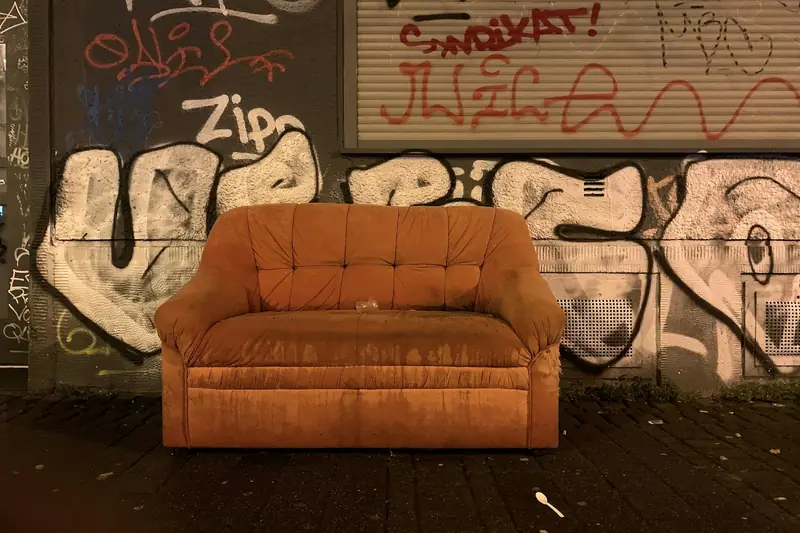
| Broken furniture, worn mattresses, general junk | FEHD refuse collection point during opening hours, or a removal service | Never the street, stairwell or a corridor |
| Documents with personal data | Shred, or use a document-destruction service | Includes old bank letters, payslips and anything with your HKID number |
What's different about decluttering in Hong Kong
- Space is the constraint. In a small flat you can't spread out piles across rooms. Work one zone at a time, and get each zone's out-going items out of the flat the same day if you can.
- Building rules apply. Many buildings ask you to tell the management office before moving large items, to protect the lift and to use it at set times. Ask before the day, not on it.
- Corridors and stairwells are escape routes. Management will usually ask you not to leave anything there, even for an hour.
- Humidity damages what you store. The Hong Kong Observatory's 1991–2020 normals put mean relative humidity at 78% for the year and above 80% from March to August. Cardboard, leather and paper suffer in cupboards with no airflow.
- Refuse collection points keep set hours. FEHD's off-street refuse collection points accept general domestic junk, including furniture, and generally operate from 7:00am to 3:30pm, with extended hours to 11:30pm in busy areas.
Common mistakes
- Starting with the sentimental boxes. Do them last, when your decision-making is warmed up.
- Making a 'maybe' pile. It becomes a second clutter. Decide once.
- Leaving the sale and donation steps too late. Listings need days to sell; charity reviews take time.
- Putting good items out by the bin room 'for someone to take'. It still counts as dumping if it ends up in a public place.
- Throwing away phones and laptops without wiping them.
What affects the cost
Decluttering itself can be free: GREEN@COMMUNITY, the government appliance collection and FEHD refuse collection points don't charge households. You pay in time and transport instead. If you book a removal, the price depends on:
- How much there is and how big the items are
- Access: lift or stairs, how far the truck can park, and any steps at the entrance
- Anything that needs dismantling, like wardrobes, beds or wall-mounted TVs
- Timing: a fixed date or same-day job versus a flexible one
The cost to avoid is the fine: illegally disposing of a large amount of waste carries a HK$6,000 fixed penalty under the amended Fixed Penalty Ordinance. Our junk removal cost guide explains quotes in more detail.
When to call in help
Do it yourself if you have time, a lift and a few items. Call for help when the deadline is tight, you're on a walk-up floor, there are many large pieces, or it's a whole flat after a bereavement or a long tenancy. We carry it out, dismantle what needs it and take everything away; see house clearance and furniture disposal.
Questions about this
How long does it take to declutter a Hong Kong flat?
For a typical small flat, plan a weekend for sorting and two weeks for everything to leave: selling and donating take days, and the free government appliance collection is usually booked about a week ahead. A whole-flat clearance can be done in a day if you hand the disposal to a removal team.
Where can I recycle small electrical items in Hong Kong?
GREEN@COMMUNITY recycling stations, stores and spots accept small household appliances such as fans, microwaves, vacuum cleaners and hair dryers, plus phones, cables and power strips. Personal-care devices such as shavers and clinical devices are not accepted.
Is the appliance collection really free?
Yes. If you're not buying a new appliance, you can book the government operator's free door-to-door collection for regulated electrical equipment on 2676 8888 or WhatsApp 6081 5096. When you buy a new one, the seller must arrange free removal of your old one of the same type.
Can I leave old furniture next to the bin room?
Not in a public place. Leaving furniture in the street or another public place can lead to a fixed penalty: HK$3,000 for depositing litter or waste in a public place, or HK$6,000 for illegal disposal of a large amount of waste. Take it to an FEHD refuse collection point during opening hours, or ask your building management what they allow inside the building.
Do charities take used clothes?
Some do and some don't. Crossroads Foundation, for example, lists used clothing as never needed, while other charities and textile recycling points do accept it. Check each charity's current list before you bag things up.
How do I stop the flat filling up again?
Store keepers in labelled, sealed boxes, keep a one-in, one-out rule for clothes, shoes and kitchenware, and do a quick ten-minute sort each month. In Hong Kong's humidity, sealed boxes with moisture absorbers also protect what you keep.
Sources
Official rules and figures in this guide come from these public sources. We check them when we update the guide; if anything has changed, the source wins.
- EPD Waste Reduction website: GREEN@COMMUNITY FAQ
- Hong Kong Waste Reduction Website: map of recycling points (incl. GREEN@COMMUNITY)
- EPD WEEE·HK: Frequently asked questions for consumers
- FEHD: Cleansing services, refuse collection points and fixed penalties
- FEHD press release (20 Oct 2023): amended Fixed Penalty Ordinance
- Crossroads Foundation: How to donate goods (accepted and not accepted items)
- InfoSec (HKSAR Government): Disposal of computing devices
- Hong Kong Observatory: Climatological normals 1991–2020